



TRACEABILITY
A traceability system creates a shared understanding of the strict measures that must be followed throughout the process. This allows for accurate monitoring and verification, especially regarding the tracking of hotspots in agricultural areas, tracing the entire process from the source, through production, to the final consumer. Every step can be accurately traced and verified.
The integrated crop business, Rice Transportation and Services, has deployed a team of academics and experts to provide training on traceability to its employees and staff in all countries. Farmers and government officials in the affected areas also participated, fostering a shared understanding and contributing to the effective and beneficial implementation of the traceability system.
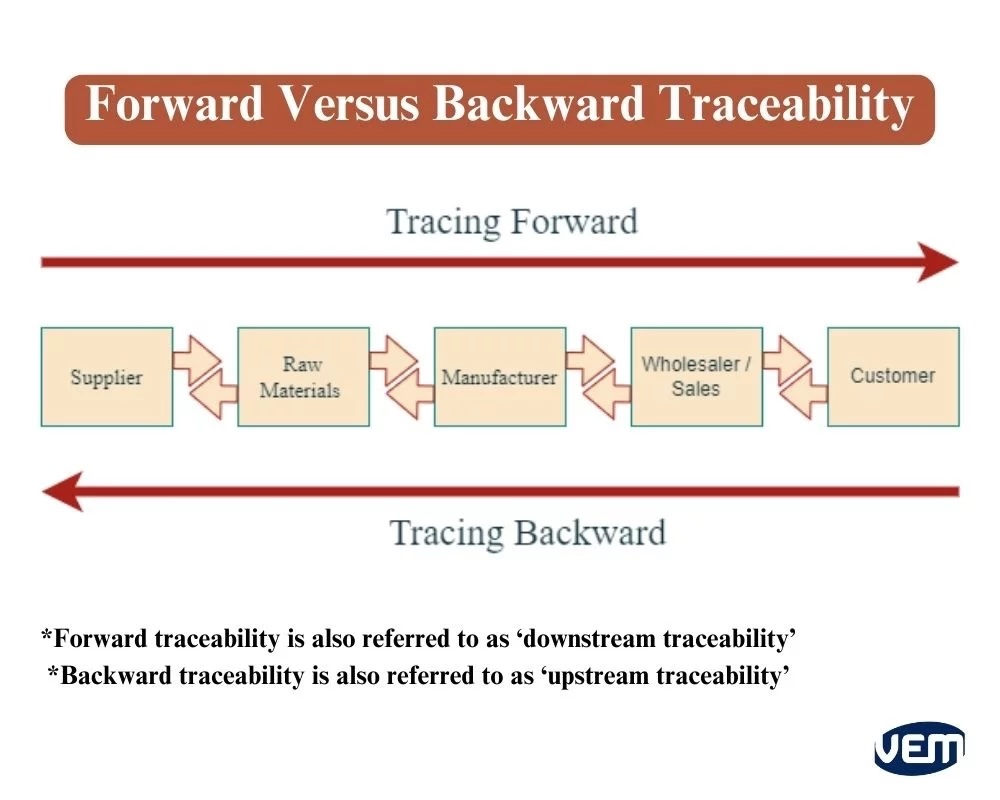
The traceability process within the integrated crop business, Rice Transportation and Services, encompasses both backward traceability, tracing the origin of agricultural inputs such as seeds, fertilizers, and chemicals, and forward traceability, monitoring the use of the produce from the farmer’s cultivation to its sale. This includes verification of various standards, such as ensuring cultivation takes place in burn-free areas, does not encroach on forests, has proper land titles, and has access to water or irrigation systems.
Backward traceability allows for quantitative verification of agricultural inputs, such as the quantity of seeds used, ensuring it corresponds to the cultivated area. Forward traceability, on the other hand, verifies the quantity of seeds sold in different areas, ensuring it aligns with the cultivated area and the purchased yield. The integrated rice, transportation, and service business aims for 100% traceability in all areas where it operates. This traceability process, both forward and backward, is implemented at 100% in all areas where it serves the business.
The integrated rice, transportation, and service business utilizes reliable, verifiable data from modern science and technology, specifically data from the Suomi NPP satellite of the VIIRS system, published by the Fire Information for Resource Management System (NASA FIRMS). This data is used in the traceability process; for example, GPS coordinates of cultivated areas are overlaid on hotspot locations identified by satellite imagery. If hotspots are detected in the cultivated areas of member or customer farmers, the company implements measures to engage with the farmers, educate them, and encourage them to refrain from burning. This will reduce the problem of hotspots and carbon emissions from agricultural areas. Importantly, the produce from these areas can be verified as environmentally friendly, not from areas with burning problems, and as low-carbon produce. Various industries can incorporate this produce into their production processes, upgrading products and giving consumers confidence.
For B2B, working with distributors, the integrated crop, rice, transportation and service business has deployed teams to meet with distributors to encourage their participation in this activity. The sales, purchasing, and IT teams provide guidance in mapping the coordinates of farmer plots. Once completed, this will show the plot location, size, and total area, allowing for the calculation of agricultural inputs such as seeds, fertilizers, and chemicals, as well as the quantity of produce that needs to be purchased from those areas.
The integrated crop, rice, transportation and service business of the Charoen Pokphand Group operates in agriculture, producing and distributing high-quality agricultural materials, seeds, fertilizers, and agricultural chemicals, as well as transferring efficient cultivation technology to farmers and supporting markets for purchasing agricultural produce. Beyond agriculture, the integrated crop, rice, transportation and service business has a strong policy of promoting nature and environmental protection, with various projects in many areas, including traceability. This is another project aimed at building confidence and acceptance of farmers’ produce standards, ensuring traceability to its source, and gaining international recognition. It elevates the agricultural standards of farmers in various countries where integrated crop, rice, transportation, and service businesses operate.