Charoen Pokphand Produce Co., Ltd. and Crop integration business.
HOME
LIVING TOGETHER
The Crop Integration Business recognizes the importance of environmental sustainability and operates under a responsible natural resource management concept to create long-term value. Under the Safe Thai Nature Project of Charoen Pokphand Group, the business promotes environmental conservation by educating youth and communities to live in harmony with nature, protecting and preserving intact forest areas, restoring degraded land through reforestation and watershed conservation, and supporting sustainable livelihoods for communities that rely on forest areas. These initiatives align with the organization’s vision, mission, and policies on occupational health, environmental protection, energy efficiency, and sustainable development, contributing positively to agricultural society through innovation in products and management while ensuring long-term environmental stewardship.
CLIMATE RESILIENCE
CIRCULAR ECONOMY
WATER STEWARDSHIP
ECOSYSTEM & BIODIVERSITY PROTECTION
RESPONSIBLE SUPPLY CHAIN MANAGEMENT
SUPPORTING THE SDGS
SDG 7
Affordable and Clean
Energy
7.2 Increase substantially the supply of renewable energy in the global energy mix
7.3 Double the global rate of improvement in energy efficiency
SDG 11
Sustainable Cities and Communities
11.6 Reduce the adverse per capita environmental impact of cities
SDG 12
Responsible Consumption
and Production
12.2 Achieve the sustainable management and efficient use of natural resources
12.3 Halve per capita global food waste
12.5 Halve per capita global food waste
SDG 13
Climate Action
13.3 Improve education, awareness-raising and human and institutional capacity on climate change
OPPORTUNITIES AND CHALLENGES
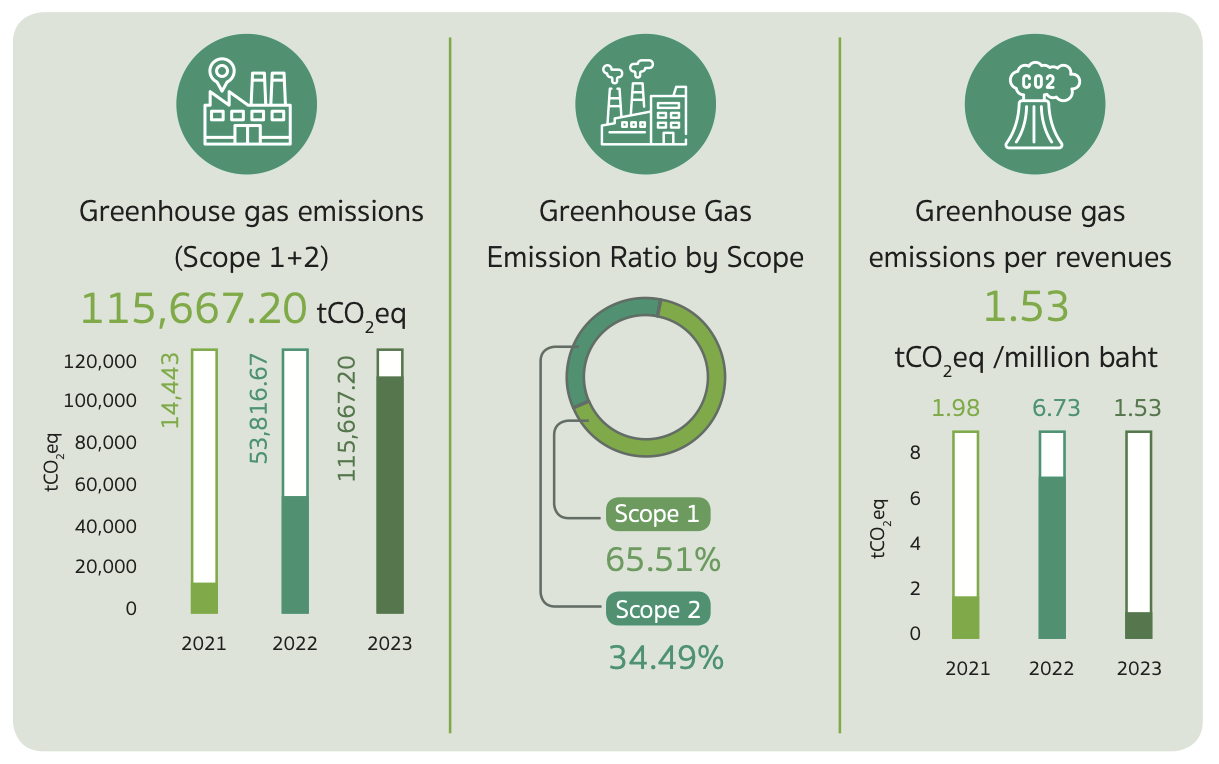
Crop Integration Business committed to reducing greenhouse gas emissions and continuous monitoring measures by managing climate change and participating in reducing environmental impacts on a wide scale, adhering to relevant international principles and integrating them into business operations principles that emphasize the impacts of climate change.
2023 PERFORMANCE
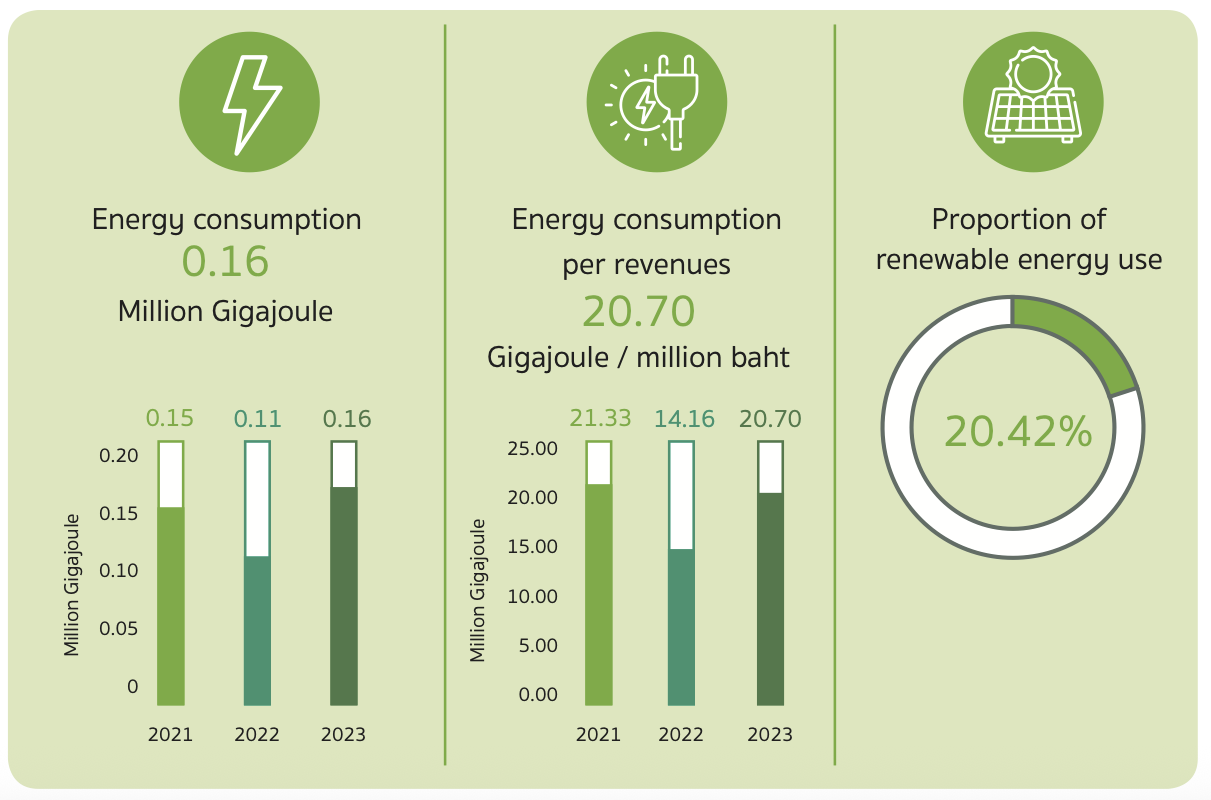
ENERGY MANAGEMENT INFORMATION
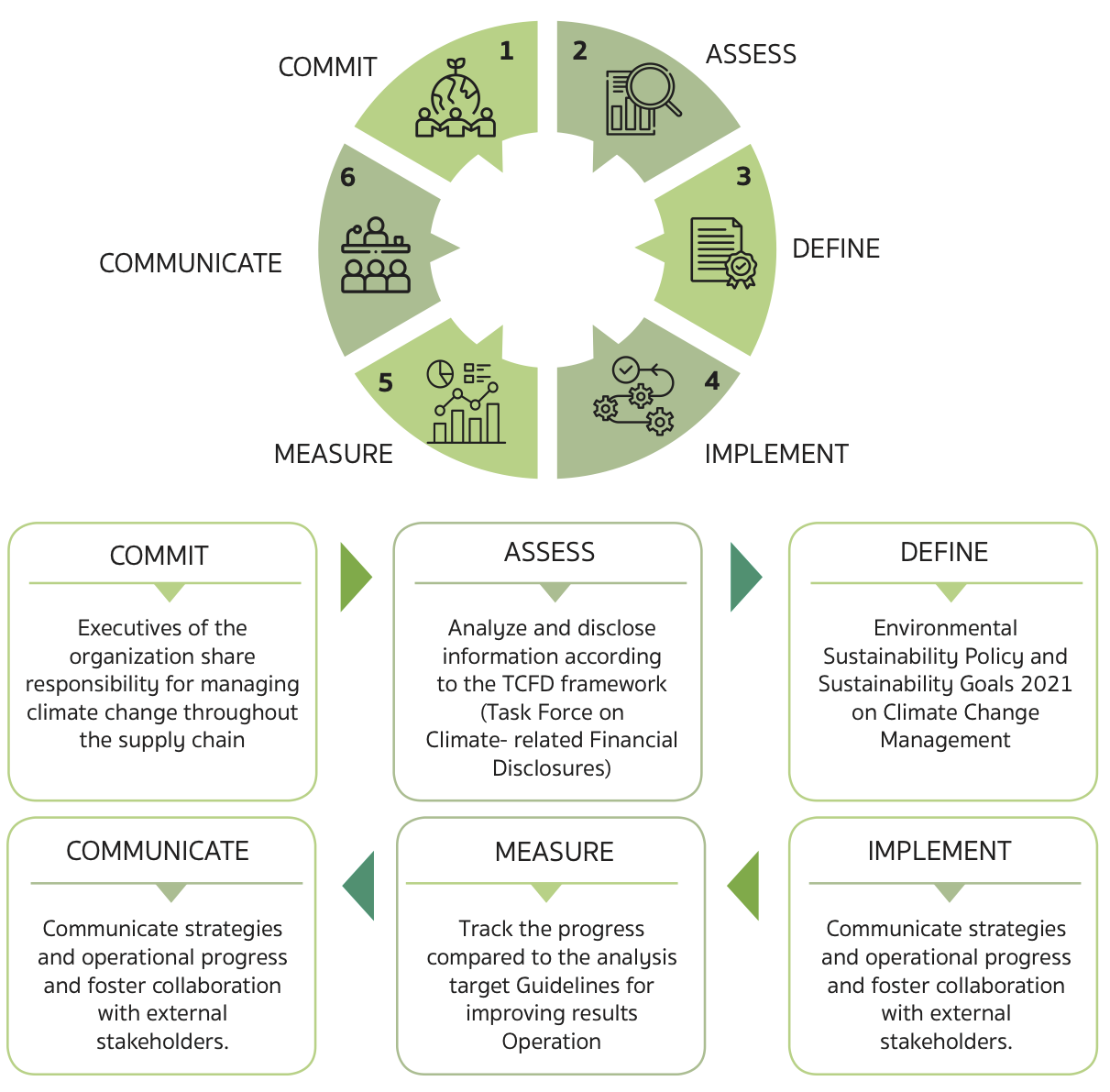
ASSESSMENT OF CLIMATE RISKS AND OPPRTUNITIES BASED ON THE TCFD FRAMEWORK
Crop Integration Business sets goals for climate change management throughout the supply chain, covering energy efficiency, renewable energy use, waste management, reduction of plastic packaging use. It assesses climate risks and opportunities and in the future will conduct a Scenario Analysis based on the guidelines of the Task Force on Climate-Related Financial Disclosure (TCFD), organizing work that covers all aspects such as physical, technological, marketing, policy and regulatory risks, and corporate reputation.
CLIMATE CHANGE MANAGEMENT OPERATIONS.
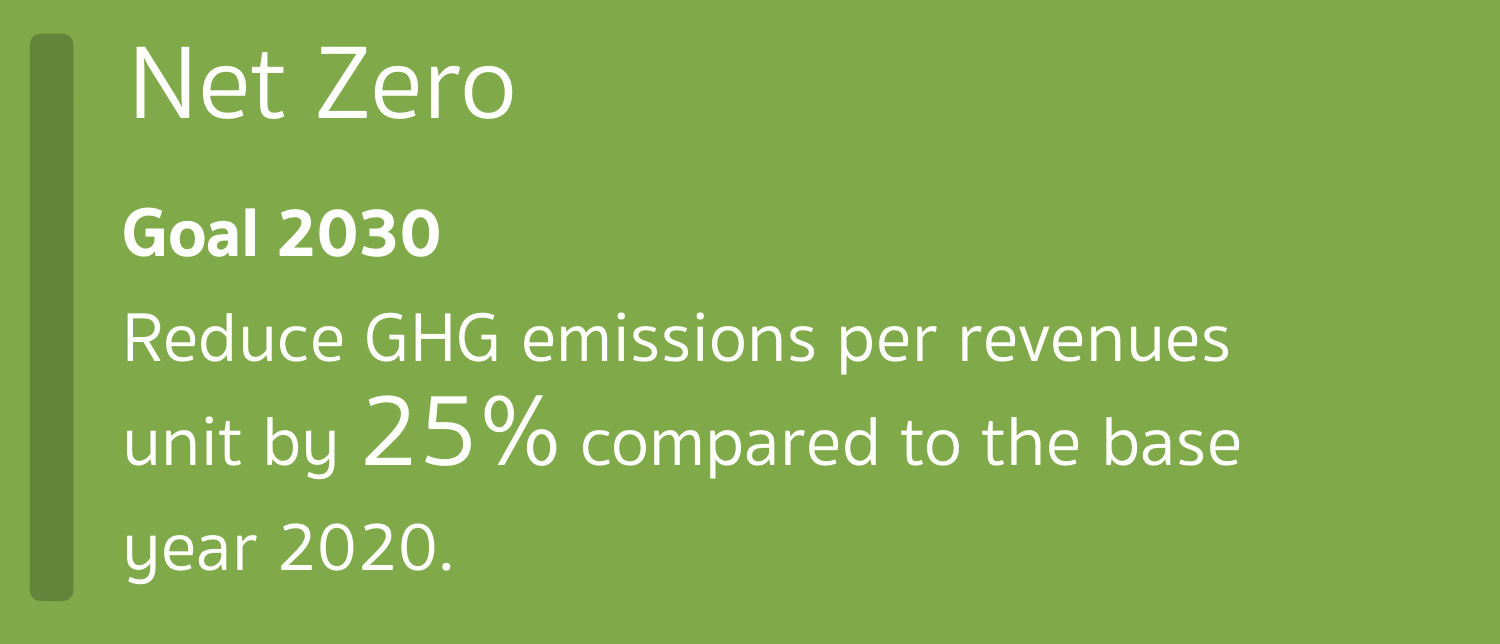
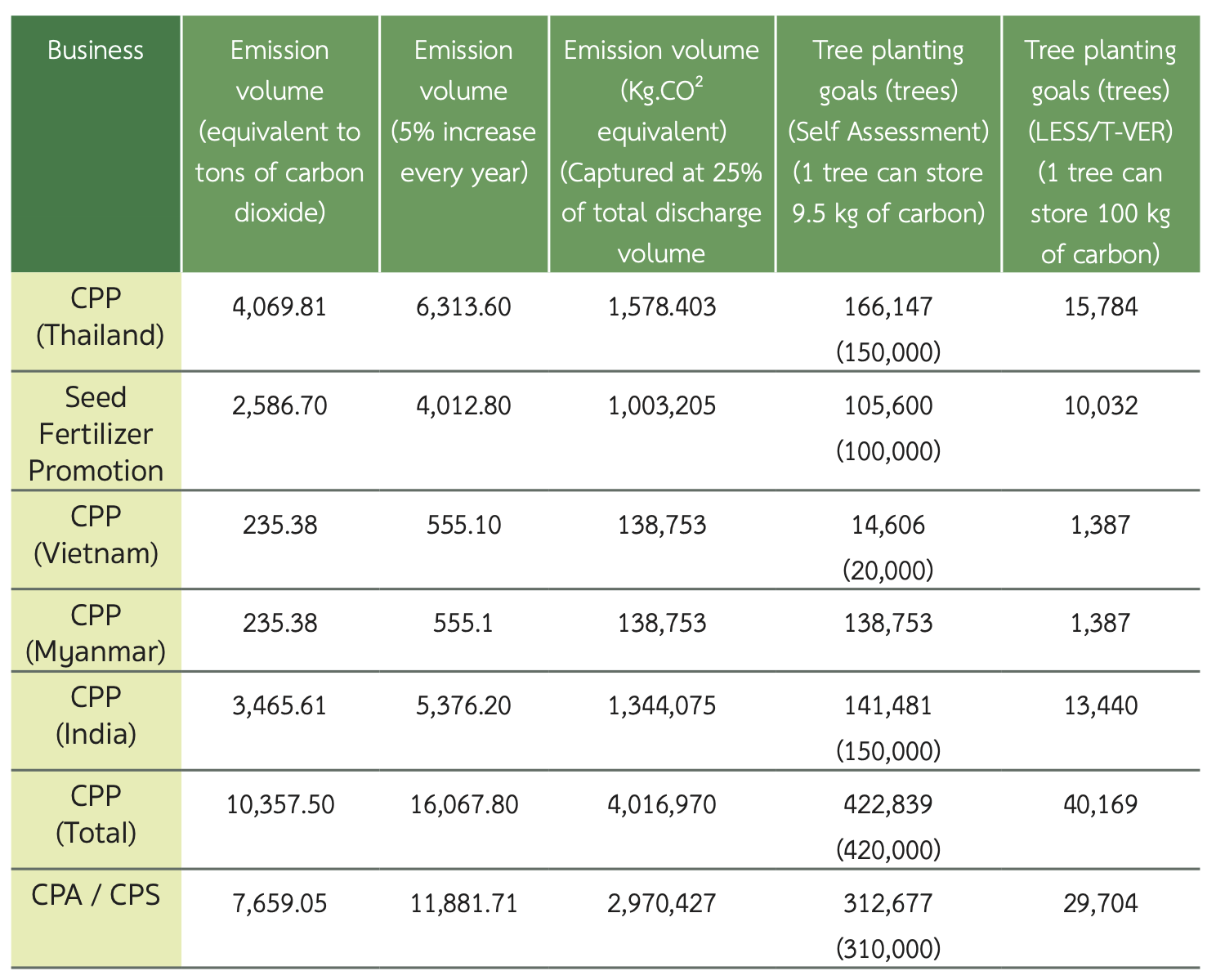
GHG REDUCTION TARGETS
TRAINING WORKSHOP ON CARBON CREDIT PROJECT DEVELOPMENT (T-VER)
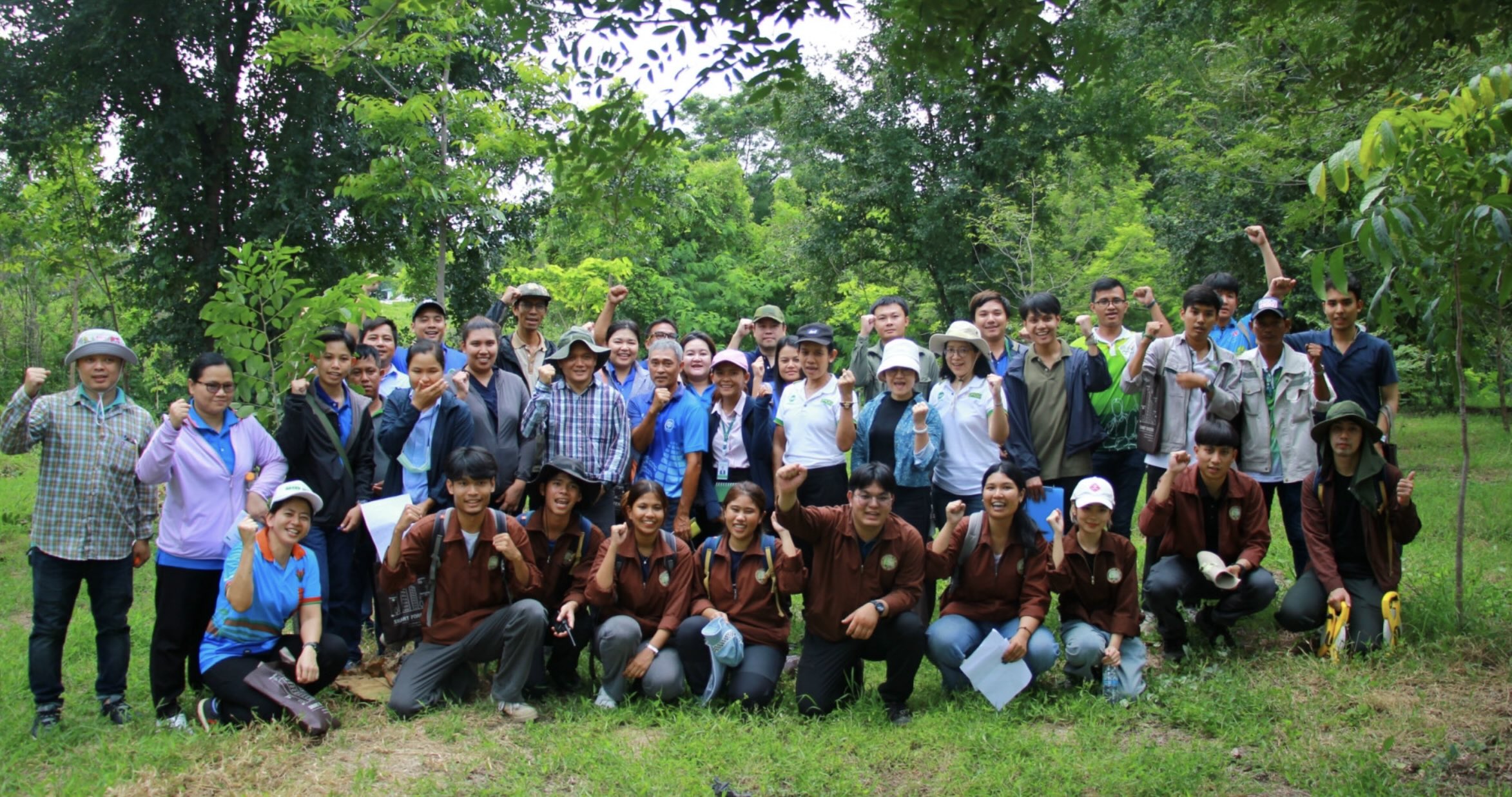
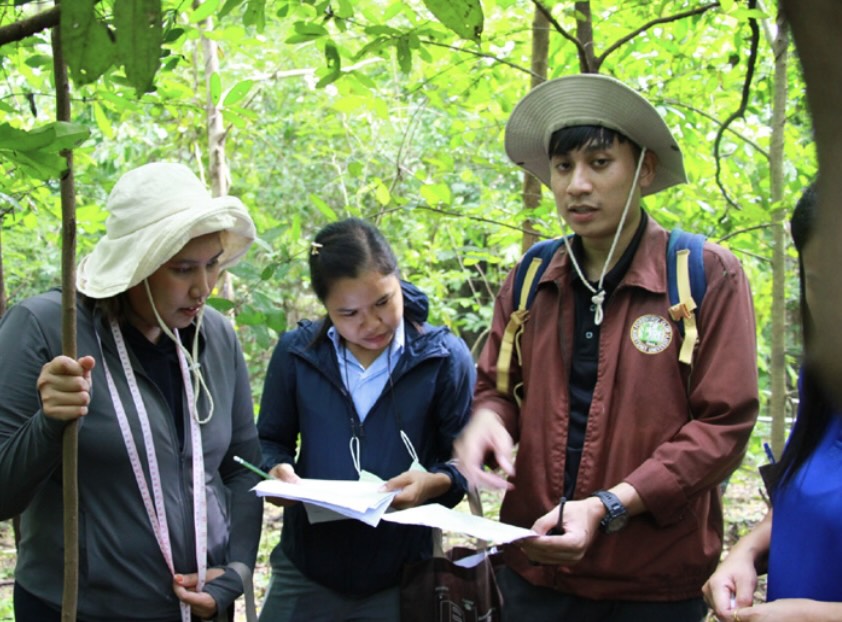
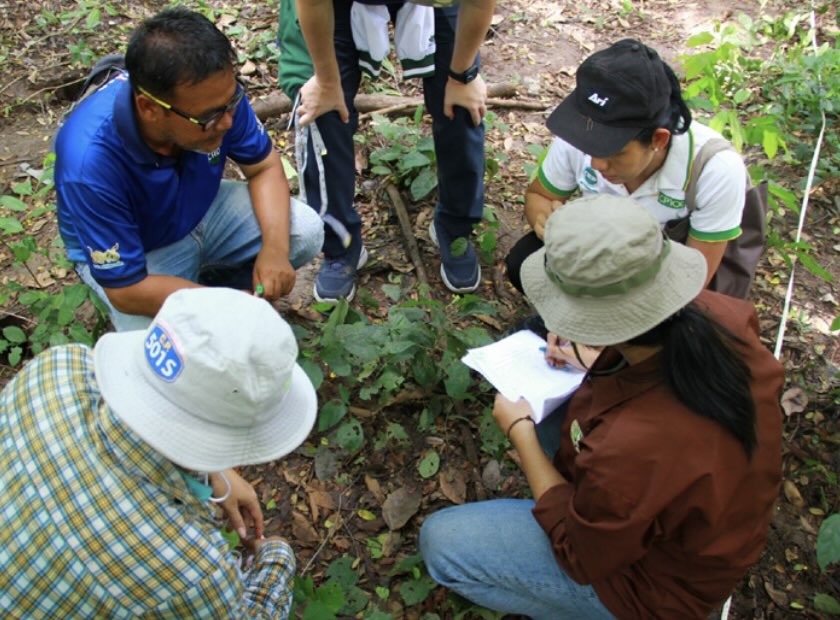
Sustainability Management, Governance and Compliance Office and the Faculty of Forestry, Kasetsart University organized a training workshop on the development of carbon credit projects (T-VER) in the forestry sector for executives and employees from various agencies from the integrated plant business at the Farm Saeng Phan meeting room, Wang Muang Subdistrict, Saraburi Province.
In this training, trainees will learn both theory and practice by going to the field to practice, such as setting up sample plots, studying tree species, measuring trees, and recording data, including analyzing and processing data from the field, summarizing results, and writing projects to present to the Greenhouse Gas Management Organization or TGO.
After the training, the Faculty of Forestry, Kasetsart University, presented certificates of honor to the trainees to apply their knowledge in their areas of responsibility and drive the goals of Crop Integration, Rice, Transportation and Services Business in accordance with the policy of Charoen Pokphand Group, which aims to become a carbon neutral organization by 2030 and the Net Zero greenhouse gas emission policy by 2050.
11.6 Reduce the adverse per capita environmental impact of cities.
SDG 12 Responsible Consumption
and Production.
12.2 Achieve the sustainable management and efficient use of natural Resources.
12.3 Halve per capita global food waste.
12.5 Substantially reduce waste generation.
OPPORTUNITIES AND CHALLENGES
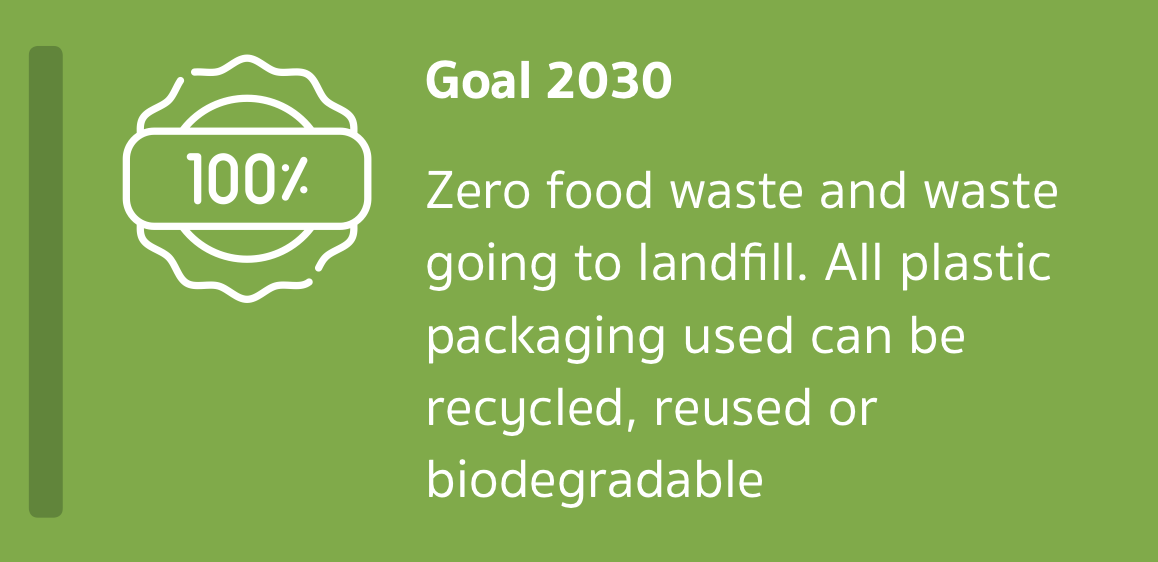
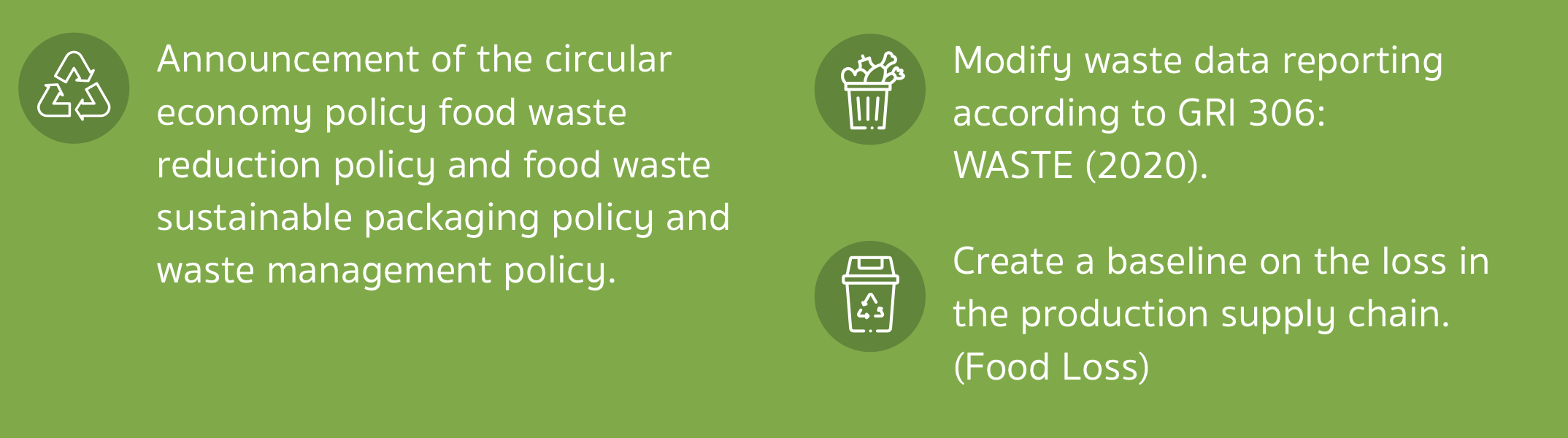
Crop Integration Business committed to managing resources carefully so that nothing is discarded. Products and materials are kept for reuse, remanufactured and recycled to maximize resource usage and create added value for waste. Waste is not managed by landfill and new sustainable product design approaches are developed, which is a goal for all companies in the business group to pursue.
Reduce the amount of food waste to zero. (Zero Food Waste)
No general waste disposal by landfill. (Zero Waste to Landfill)
All used plastic packaging can be recycled, reusable, reusable or biodegradable.
6.3 Improved water quality through safe treatment and recycling
6.4 Increased water use efficiency and ensure sustainable supply
6.5 Implement integrated water resources management
6.B Support the participation of local community in improving water and sanitation management
SDG 12Responsible Consumption and Production
12.2 Achieve the sustainable management and efficient use of natural resources
12.3 Halve per capita global food waste
12.5 Substantially reduce waste generation
SDG 14Life Below Water
14.1 Reduced marine pollution
OPPORTUNITIES AND CHALLENGES
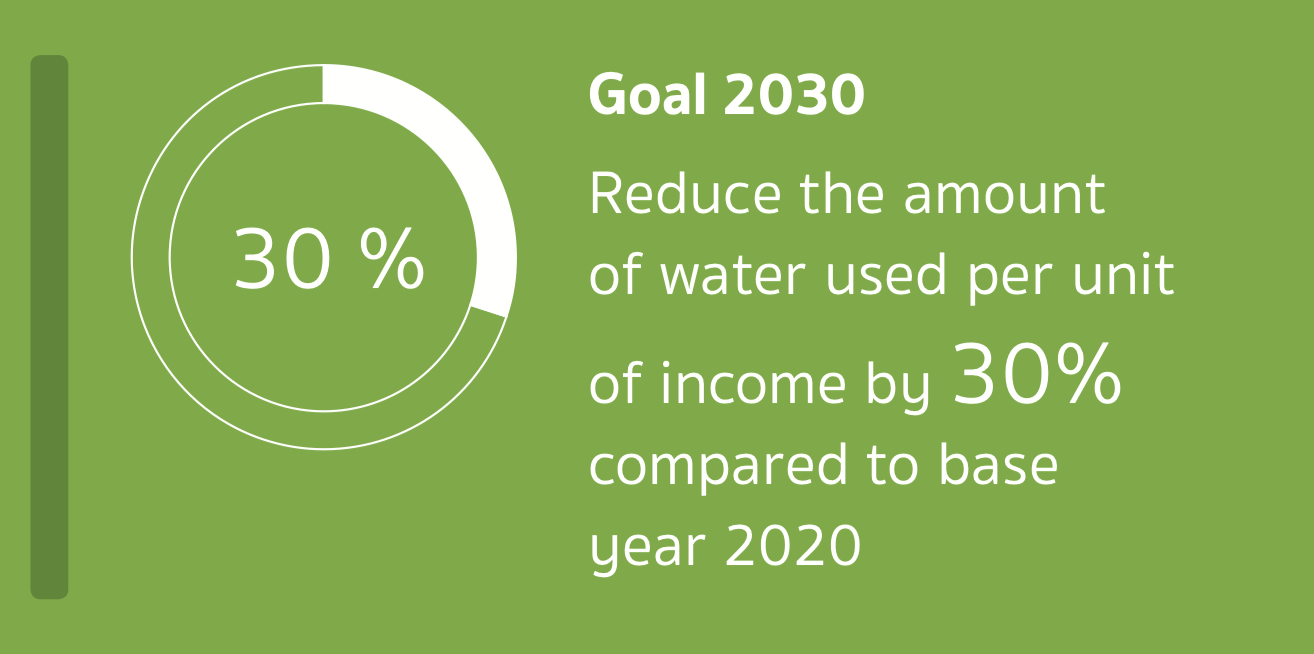
Half of the world’s people will suffer from water scarcity if the use of water continues to flow. Moreover, the World Economic Council argues that water is one of the most important environmental issues in the 2017. Maintaining the stability of natural resources, especially clean water, is a major concern for the private sector. Crop Integration Business Group give importance to and pay attention to water resource management as a fundamental factor for doing business, as well as supporting the Sustainable Development Goals 6
MANAGEMENT APPROACH
Water is a natural resource that is essential for all life and is also important for business operations. Currently, water scarcity has become an increasingly serious issue around the world. Charoen Pokphand Group is aware of this problem and risk, so it has established guidelines to ensure that business operations can maintain a balance between water usage and the water needs of communities and nature as follows:
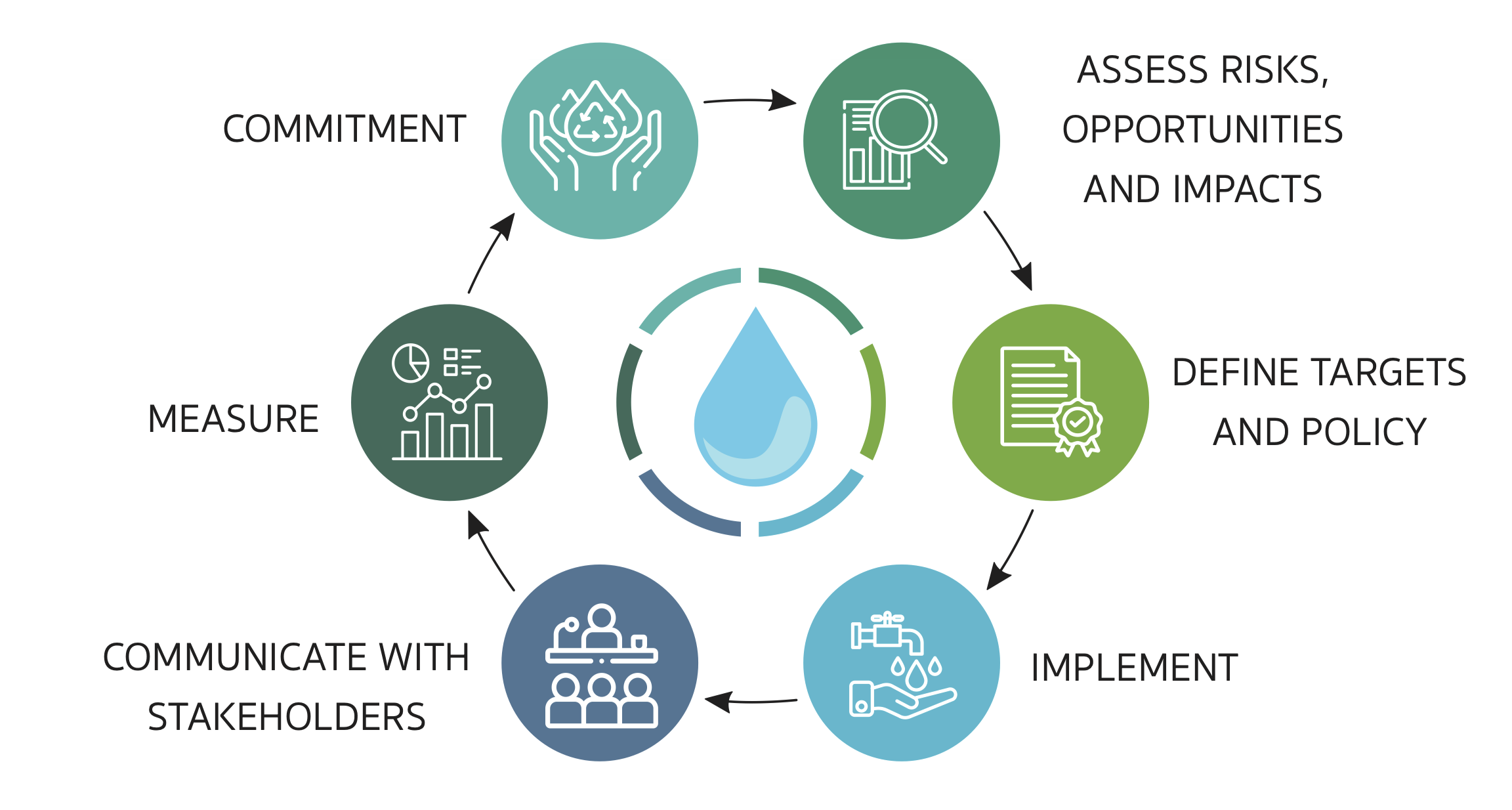
WATER STEWARDSHIP MANAGEMENT FRAMEWORK
ENABLING A GOOD WATER MANAGEMENT PLAN THROUGHOUT THE SUPPLY CHAIN.
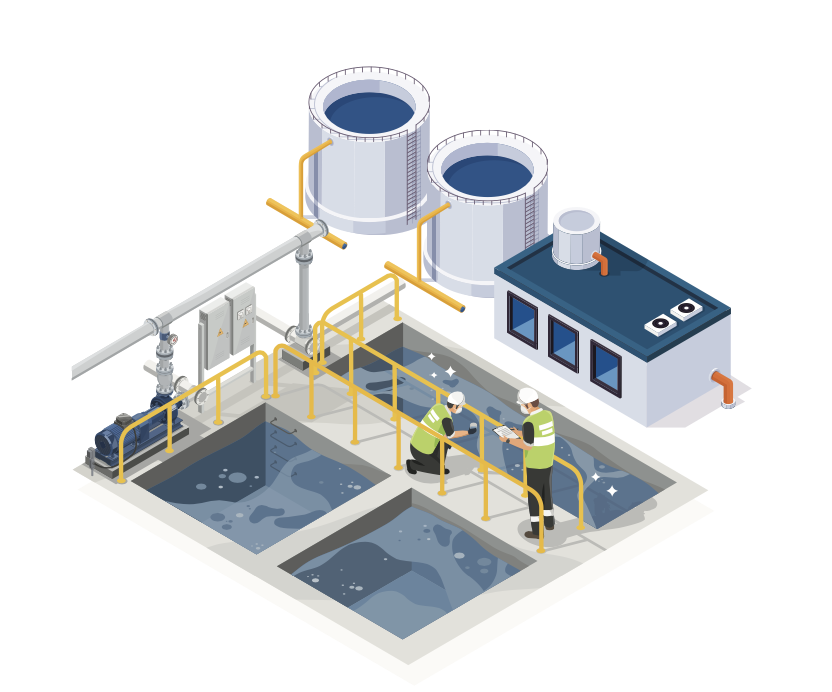
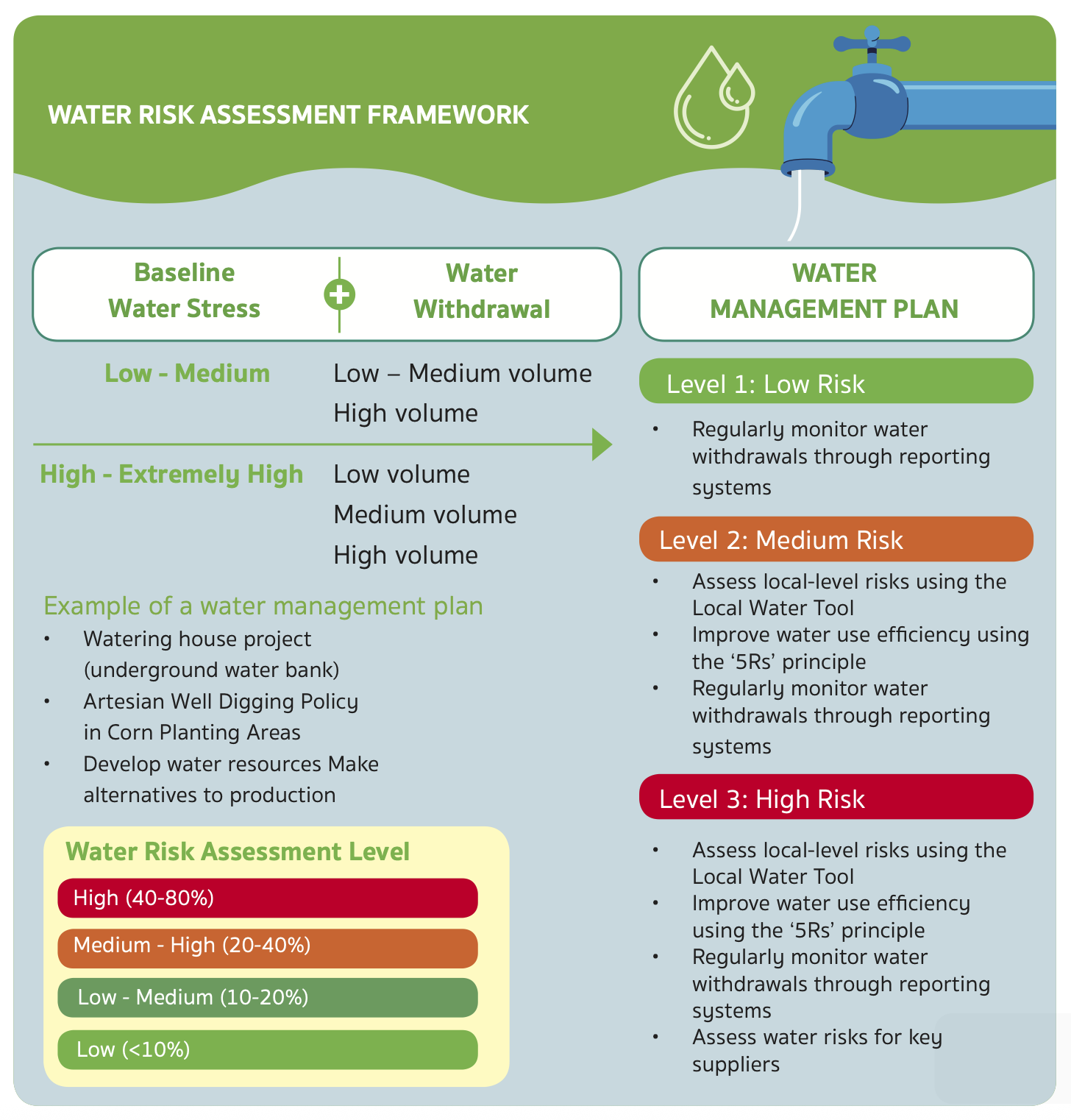
Crop Integration Business has developed a water resources risk assessment framework that is applied across all of its units and Business Groups. The assessment evaluates risk factors in various dimensions, including the volume of water withdrawal by organization, and baseline water stress levels. Our business has adopted the internationally-recognized Aqueduct Water Risk Atlas tool of the World Resources Institute (WRI) for use as our preferred assessment tool. The results of the assessment are ranked according to three levels of water risk and are then used to develop appropriate management plans.
15.1 Ensure the conservation, restoration and sustainable use of terrestrial and inland freshwater ecosystems and their services
15.2 Halt deforestation, restore degraded forests
15.4 Ensure the conservation of mountain ecosystems
15.5 Take urgent and significant action to reduce the degradation of natural habitats, halt the loss of biodiversity
OPPORTUNITIES AND CHALLENGES
Crop Integration Business aware of the problems that arise and committed to taking part in reducing impacts and protecting the integrity of biodiversity and ecosystems through the involvement of businesses and industry in Take care and minimize these effects. Our organization continues to assess the risks of global biodiversity by striving to conserve and utilize marine resources responsibly, protect, restore and support the use of terrestrial ecosystems, forests and natural diversity.
MANAGEMENT APPROACH
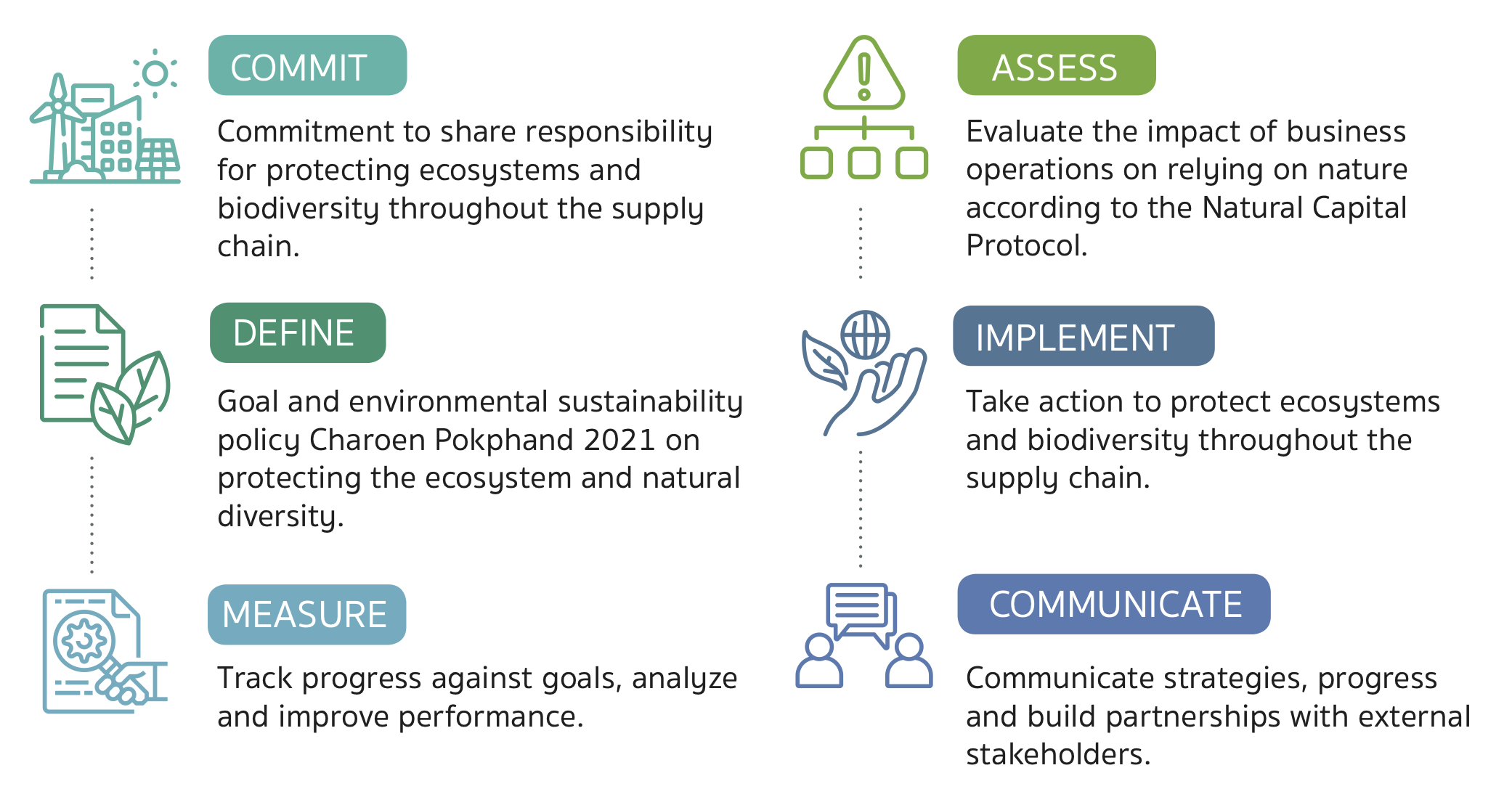
Crop Integration Business believes that protection of ecosystems and biodiversity based on the equitable use of resources is the responsibility of all sectors of society, therefore, guidelines in line with the Rio Declaration on Environment and Development and the Convention on Biological Diversity are therefore formulated :
1. Participate responsibly to protect ecosystems and biodiversity in compliance with laws, regulations and international standards and set long-term goals to guide business operations as well as to cooperate with organizations working in conservation.
Reduce impacts on ecosystems and biodiversity along the supply chain by developing supply chain management practices. Responsible for preventing deforestation and ensuring guidelines are implemented effectively.
Ecosystem and biodiversity risk assessments are carried out to inform decision-making and effective risk management.
To promote awareness and understanding of ecosystem protection and biodiversity to employees, partners and key stakeholders by organizing training knowledge sharing or organizing campaign activities.
Disseminate information and performance on the protection of ecosystems and biodiversity through Sustainability Reports. Charoen Pokphand Group to report the progress status of current operations against the targets identified to stakeholders.
Develop cooperation with government agencies, non-profit organizations (NGOs),educational institutions, community and other agencies to jointly solve ecosystem and biodiversity
4.4 Increase the number of youth and adults who have relevant skills, and promote Entrepreneurship
SDG 8Decent Work and Economic Growth
8.3 Promote development-oriented policies that support decent job creation, entrepreneurship
SDG 9Industry, Innovation, and Infrastructure
9.4 Upgrade infrastructure to make them sustainable, with increased resource-use efficiency and greater adoption of technologies
OPPORTUNITIES AND CHALLENGES
Crop Integration Business realizes that the strength of the supply chain depends on the least strong link. The company is therefore a part in strengthening business partners throughout the supply chain to achieve excellent practices in all dimensions, including the economy, society, and the environment. This is considered a challenge to drive positive change and is committed to developing the potential of partners, thinking together, and creating together to move towards sustainability. In addition, the company also aims to develop sustainably in every country in which it operates or invests, in accordance with the CP Group’s 3-Benefit Philosophy.
RESPONSIBLE SUPPLY CHAIN MANAGEMENT
MANAGEMENT APPROACH
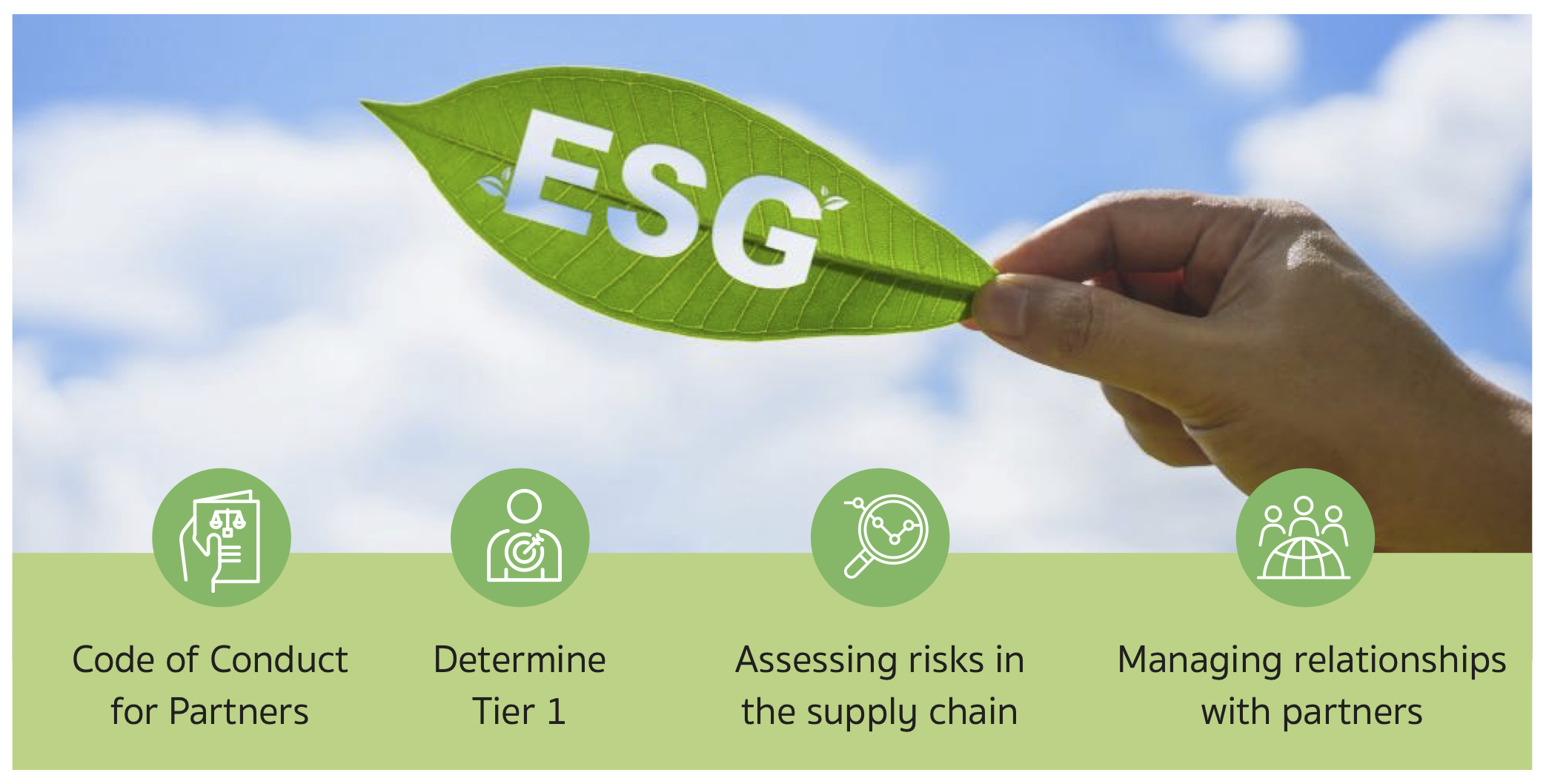
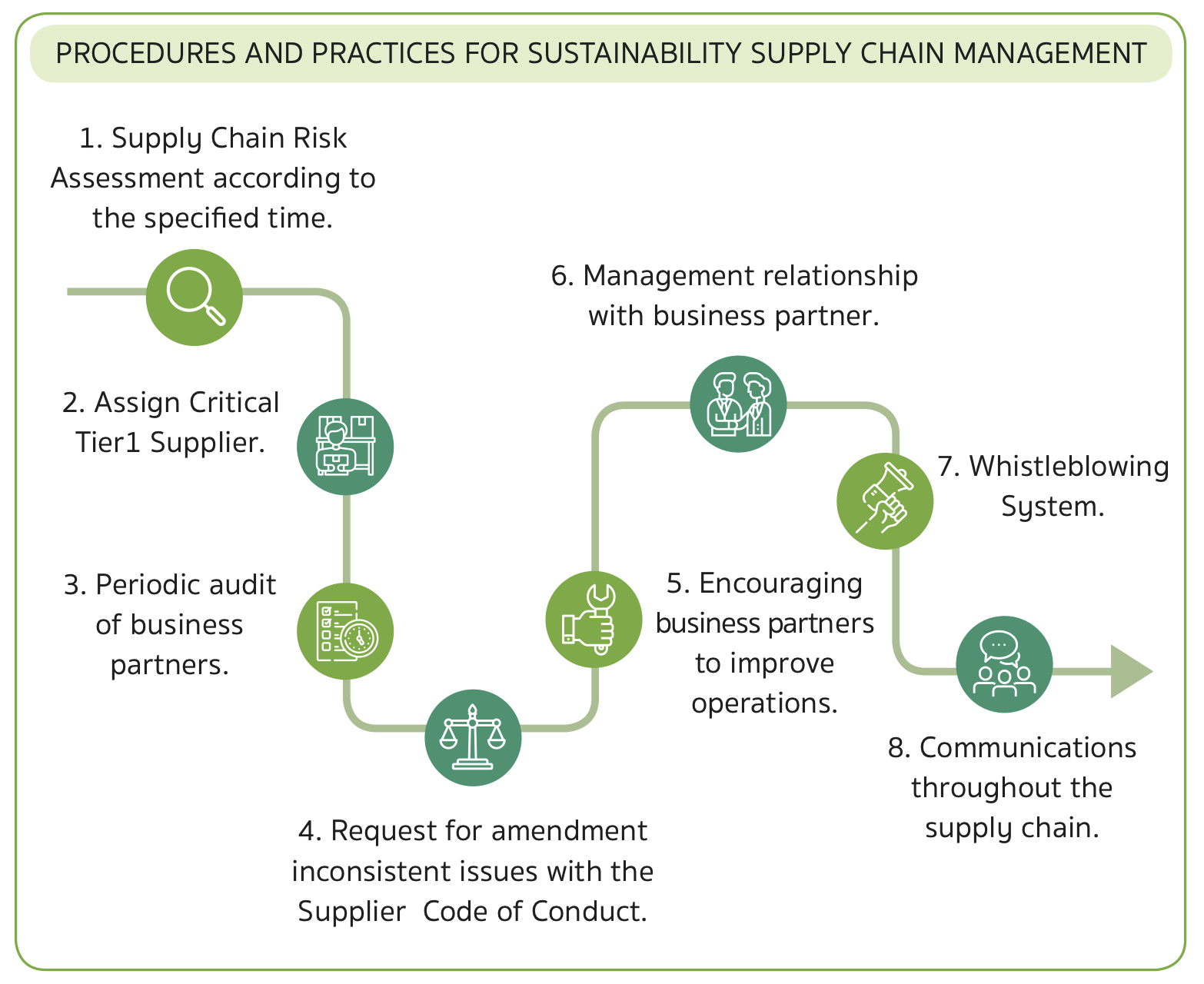
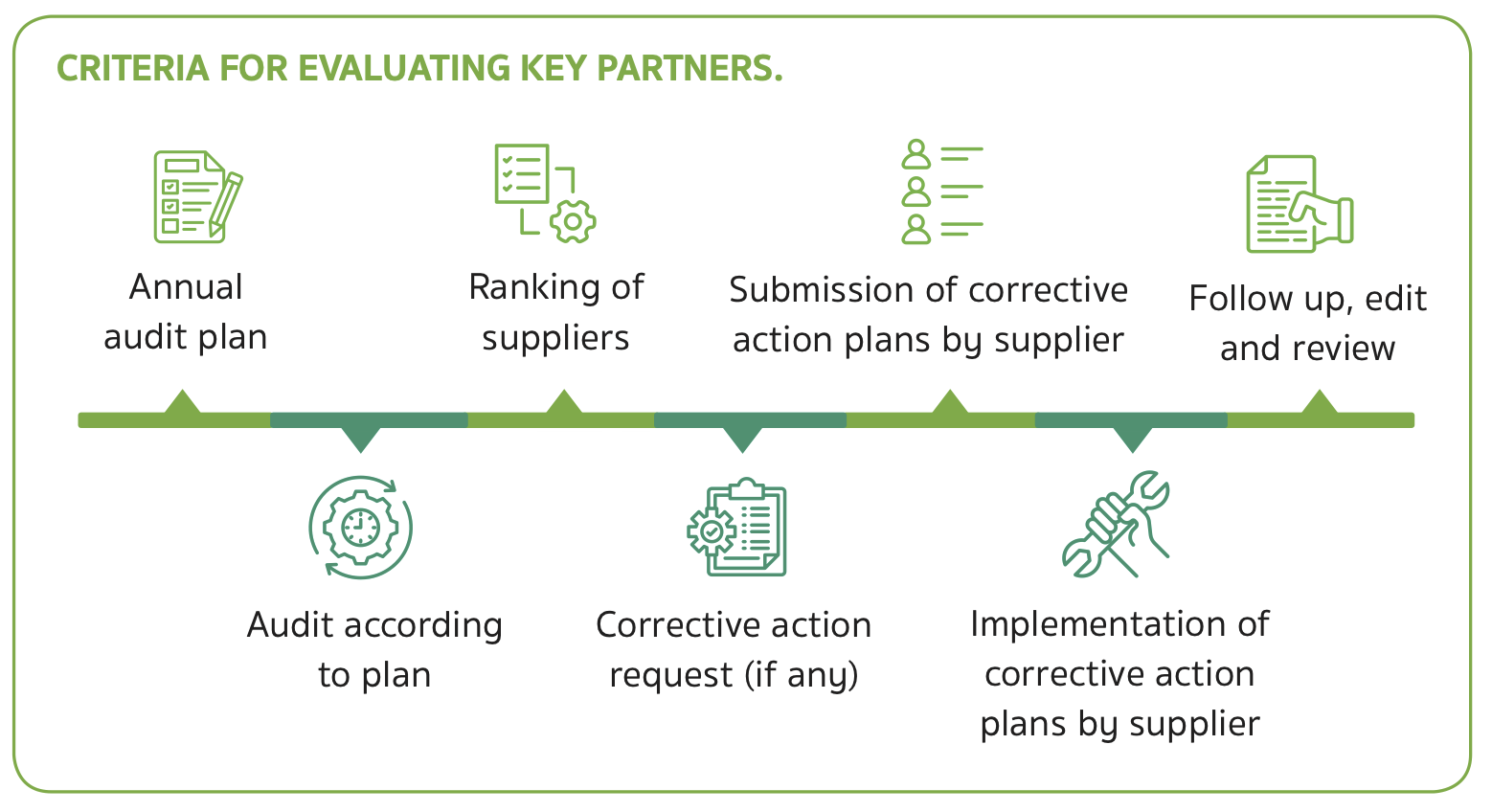
Crop Integration Business focuses on managing supply chain by defining management procedures as a guideline for all companies in the business group to provide supply chain management go in the same direction in supply chain management, the business group starts from communicating manuals. Code of Conduct for Partners to all business partners for business partners to be aware of the policies and Expectations of the business group and can work together continuously.
RAISING AWARENESS AND RISKS
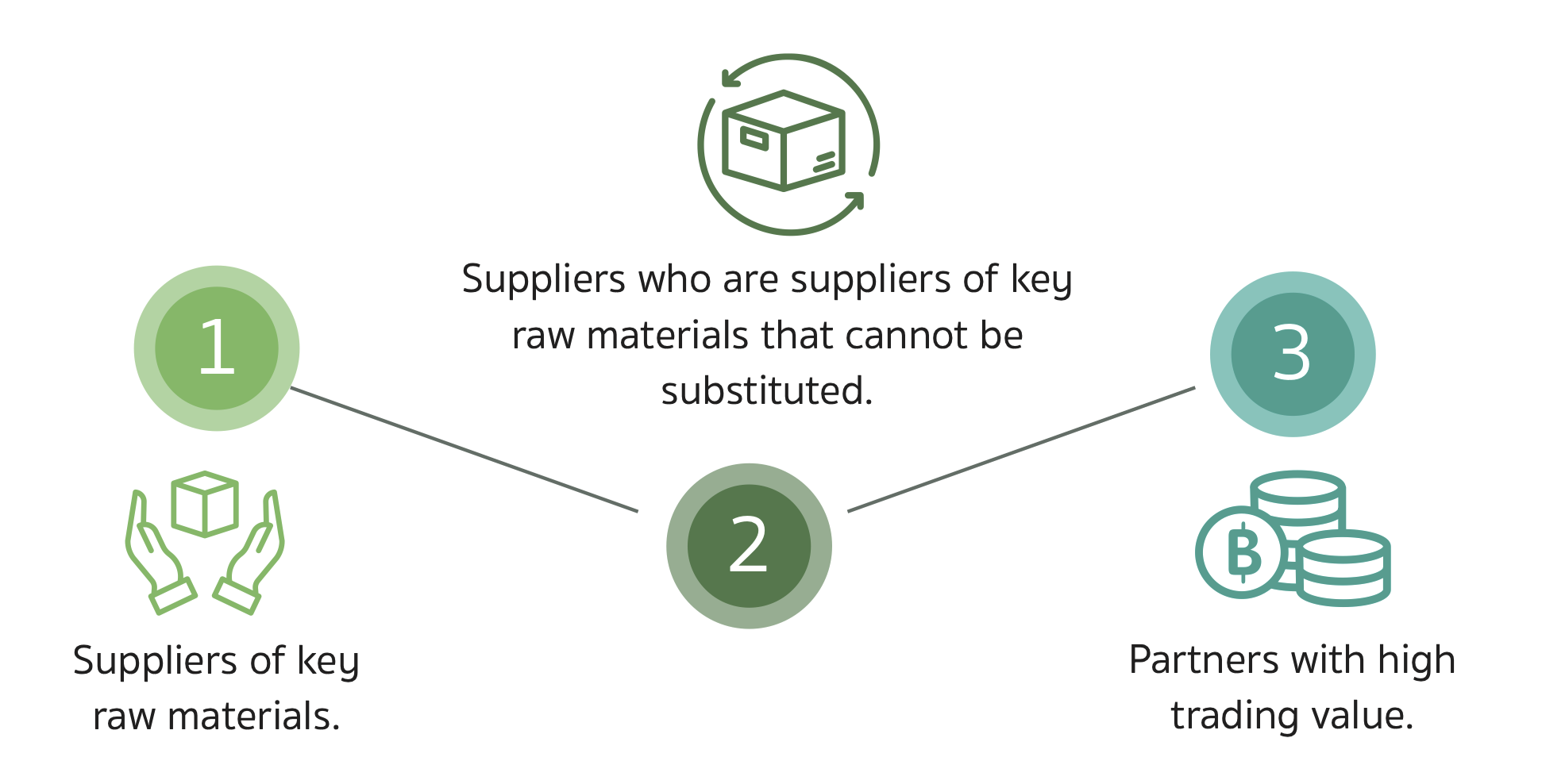
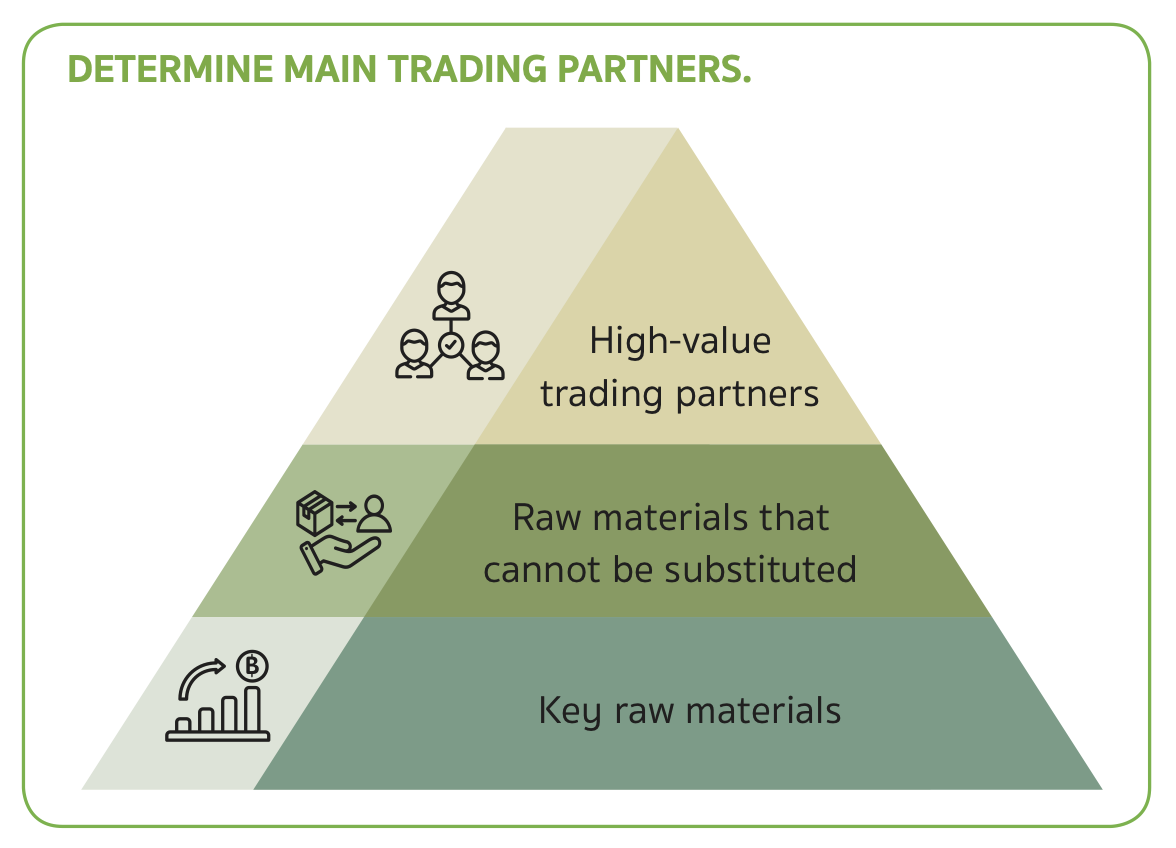
Crop Integration Business has received a policy from the Charoen Pokphand Group and is committed to raising awareness of responsible supply chain management. With major business partners first (Critical Suppliers). The principles used to classify the main trading partners are as follows:
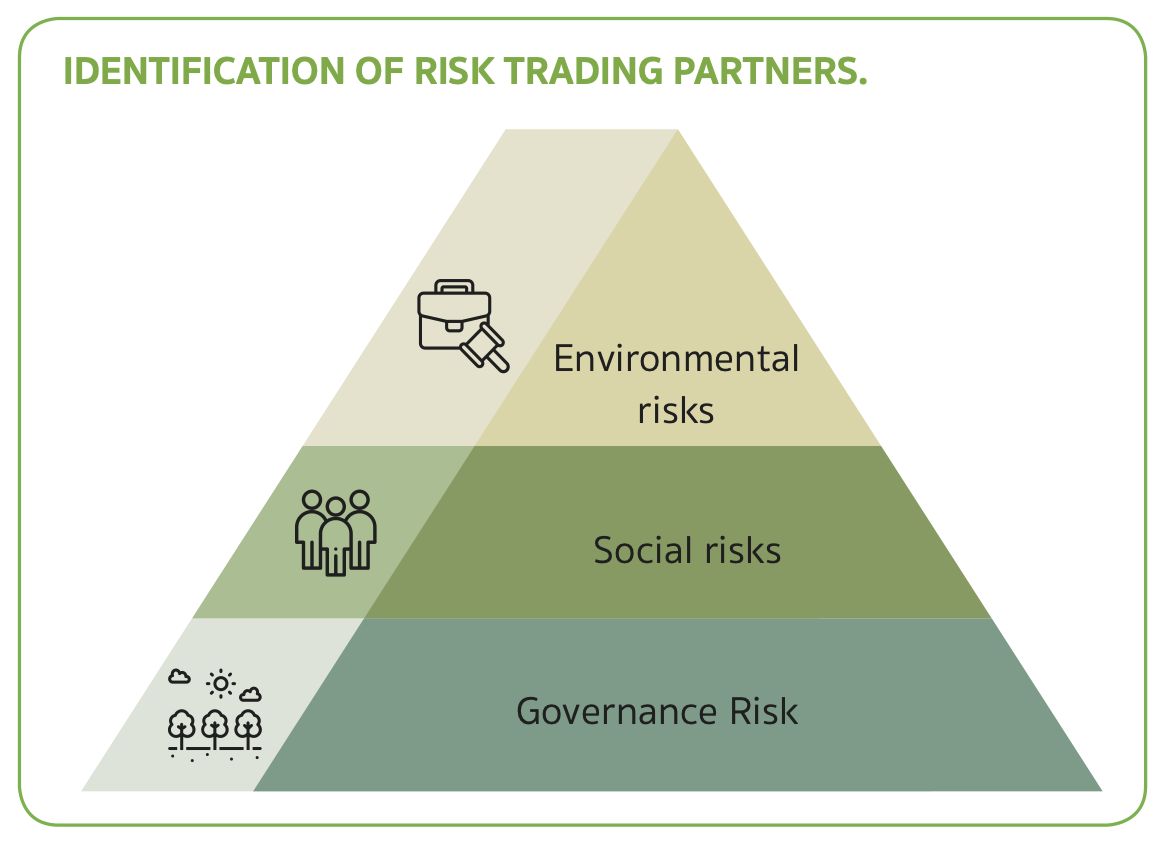
In addition, it was identified to find business partners who are at risk by assessing sustainability risks throughout the supply chain through two-dimensional assessment criteria, namely the severity of the impact. and the likelihood of risk, which the risk issue used in the assessment is taken from the channel.They are as follows: 1.News 2.Past Performance 3.Industry-related risk factors and 4.Trends and potential risks in the future.